
Hands-on Learning and Its Role in Building Children’s Confidence Through Meaningful Trial and Error
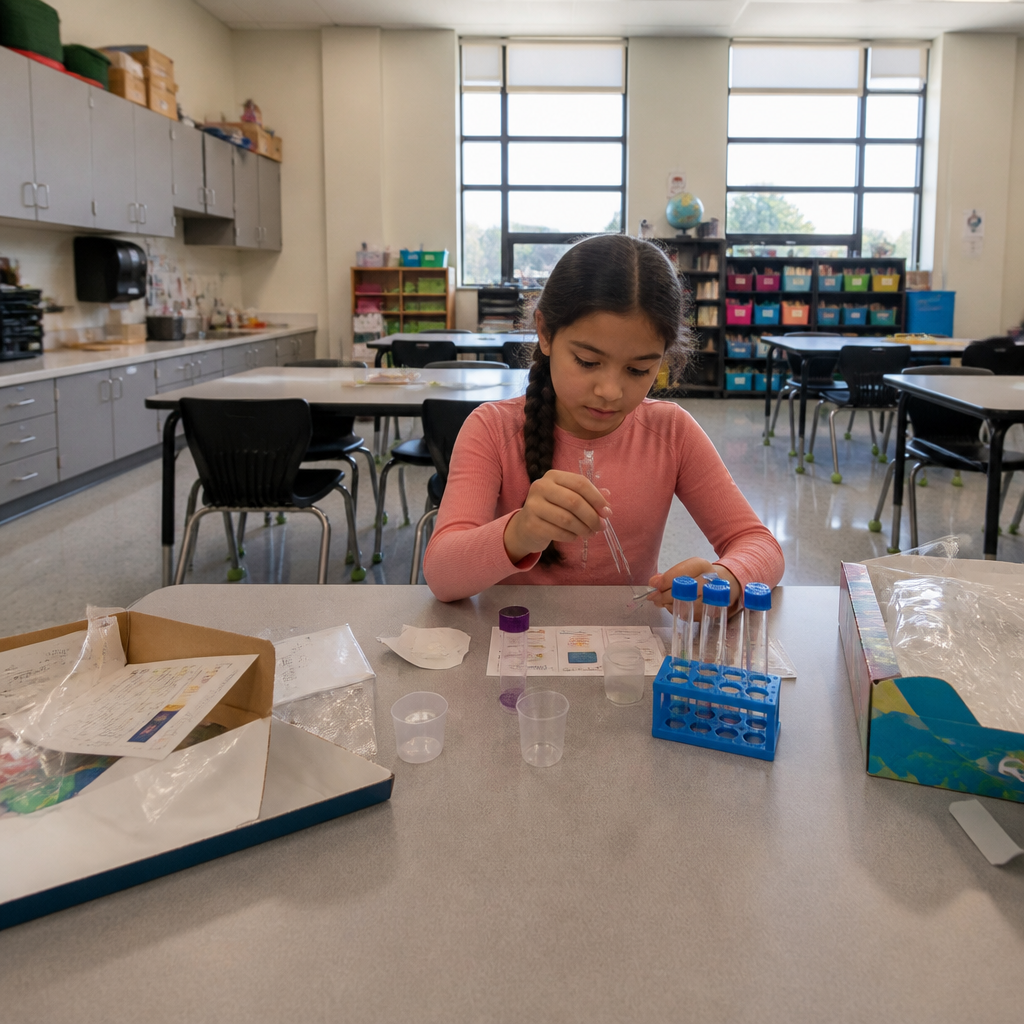
Hands-on learning, a dynamic educational approach emphasizing active participation and experiential engagement, plays a pivotal role in nurturing children’s confidence. This method encourages learners to explore, experiment, and learn from mistakes in meaningful ways, fostering resilience and self-assurance. Research shows that when children engage in hands-on activities, they develop problem-solving skills and critical thinking abilities that are crucial for their growth. For instance, a study by the University of Cambridge found that experiential learning significantly enhances confidence and retention among young students. This article discusses the significance of hands-on learning, explores its characteristics, and delves into how meaningful trial and error within this context contributes to children’s confidence-building. Topics include definitions, pedagogical frameworks, psychological impacts, and real-world applications across educational settings.
Defining Hands-on Learning as an Active Educational Approach
Hands-on learning, also known as experiential learning, is defined by educational theorist David Kolb as “learning through reflection on doing.” It positions the learner as an active participant rather than a passive receiver of information. This approach incorporates direct interaction with materials, tools, or environments to facilitate deep understanding. Key characteristics include engagement, interaction, reflection, and iterative experimentation.
Statistically, the National Education Association reports that students involved in hands-on activities score 20% higher in tests measuring critical thinking compared to peers in traditional lecture-based classrooms. Hyponyms within this category include project-based learning, inquiry-based learning, and problem-based learning, each tailoring hands-on experiences to different cognitive and social dimensions. These subtypes emphasize collaboration, curiosity-driven exploration, and real-world problem solving, respectively.
Understanding the multifaceted nature of hands-on learning sets the foundation for examining its impact on children’s confidence through meaningful trial and error.
Meaningful Trial and Error in Hands-on Learning and Confidence Development
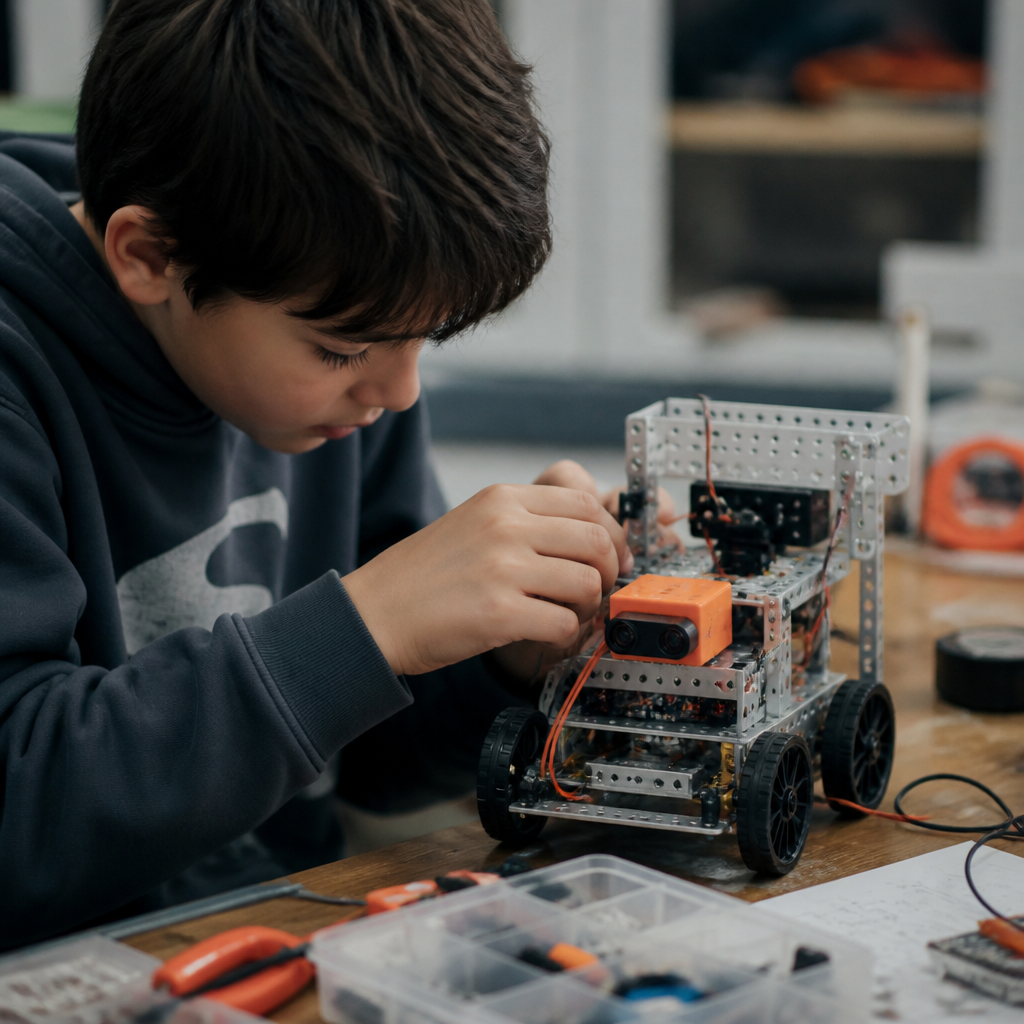
Trial and error is a fundamental learning process where learners test hypotheses, make mistakes, and adjust their strategies accordingly. When integrated with hands-on learning, trial and error becomes a powerful tool to build confidence by normalizing failure and promoting perseverance.
Dr. Carol Dweck’s research on growth mindset highlights that children who view challenges as opportunities to learn—and embrace errors as part of the process—develop stronger self-efficacy. This mindset aligns with hands-on learning’s iterative nature, where errors inform future attempts, allowing children to understand their progress tangibly.
Types of Trial and Error Mechanisms in Hands-on Learning
Trial and error in educational contexts occurs through:
- Exploratory learning: children experiment freely without specific outcomes, fostering creativity and intrinsic motivation.
- Guided discovery: educators provide frameworks enabling students to test solutions while receiving constructive feedback.
- Iterative design: learners repeatedly refine their work based on trial results, which is common in STEM projects.
Studies indicate that children engaged in these processes develop confidence not only in their abilities but also in their capacity to navigate uncertainty and complexity. For example, a 2019 report by the OECD found that students who frequently experience trial and error in school outperform others in adaptive problem-solving tasks by 15%.
Psychological Impact of Hands-on Trial and Error on Children’s Confidence
The psychological benefits of engaging children in hands-on trial and error include increased self-regulation, reduced fear of failure, and enhanced intrinsic motivation. According to the American Psychological Association, children who participate actively in their learning process through making and correcting mistakes exhibit higher resilience and lower anxiety in academic settings.
This method supports metacognition—children’s ability to reflect on their thought processes—increasing their awareness of learning strategies and boosting confidence in problem-solving tasks.
Practical Applications and Case Studies of Hands-on Learning with Meaningful Trial and Error
Hands-on learning infused with meaningful trial and error manifests across various educational and developmental programs worldwide. Montessori education, for example, emphasizes self-directed activity and hands-on materials, allowing children to learn through experience and error in a supportive environment.
In STEM education, initiatives like Project Lead The Way use hands-on, problem-based curricula where students learn by designing, testing, and refining prototypes, fostering confidence through iterative process mastery.
A notable case study is the Finnish education system, which integrates experiential learning with low-stakes assessments. Finnish students consistently rank highly in global confidence and problem-solving metrics, illustrating the effectiveness of these approaches.
Conclusion: Emphasizing Hands-on Learning and Meaningful Trial and Error in Confidence Building
Hands-on learning, defined as active, experiential education, combined with meaningful trial and error processes, is essential in cultivating children’s confidence. By engaging directly with tasks and embracing mistakes as stepping stones, children develop critical cognitive and emotional skills necessary for lifelong learning. Evidence from educational research and real-world applications underscores the effectiveness of this approach in building resilience, self-efficacy, and problem-solving ability.
Educators, parents, and policymakers should prioritize these experiential methods to foster environments where children can confidently navigate challenges. Further reading includes David Kolb’s experiential learning theory and Carol Dweck’s growth mindset framework, which provide foundational insights for applying these principles effectively.